
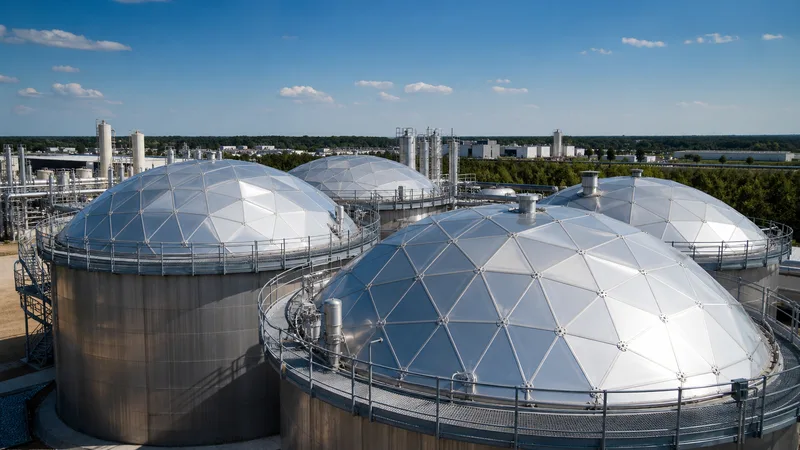
Aluminum geodesic dome roofs are commonly reviewed for storage projects that need lightweight cover systems, corrosion resistance, long-span capability, and reduced maintenance requirements. The roof should be evaluated as part of the complete tank system rather than as a separate accessory.
Why roof selection matters
A roof can influence water protection, odor control, gas handling, safety access, inspection planning, and long-term maintenance. For potable water projects, sealing and hygienic storage are important. For wastewater or industrial projects, corrosion exposure and ventilation may become more important.
Information buyers should clarify
Useful project information includes tank diameter, stored media, design loads, wind and snow conditions, nozzle and vent positions, access requirements, and whether the roof connects with ladders, platforms, or internal equipment. These details help suppliers review the roof route together with the tank shell.
Coordination with tank materials
Aluminum dome roofs can be discussed together with GFS tanks, epoxy tanks, stainless steel tanks, or other bolted storage systems depending on project scope. The product capability overview on our Center Enamel company profile page explains the wider tank system scope.
Documents to request
Project teams may request roof drawings, material notes, load assumptions, accessory list, packing method, and installation coordination notes. For certificate and document review, the certification archive can support the buyer qualification stage.
Practical takeaway
A dome roof decision should be based on stored media, local climate, maintenance expectation, and installation method. Early coordination helps avoid conflicts between roof openings, tank nozzles, platforms, and site access.
When an aluminum dome roof is worth reviewing
An aluminum geodesic dome roof may be reviewed when a project needs a lightweight, corrosion-resistant roof system with large-span capability. It is often considered for water, wastewater, and industrial storage projects where roof durability, access, and maintenance planning matter. The choice should still be based on project data rather than a general preference for one roof type.
Project data needed for roof selection
Useful information includes tank diameter, stored media, wind load, snow load, seismic or local design expectations, operating temperature, venting requirement, access hatches, platform connections, internal equipment, and nozzle locations. If the roof must coordinate with mixers, gas handling, odor control, or inspection access, those requirements should be clarified before roof design is finalized.
How roof choice affects the tank package
The roof is connected to the shell, accessories, and installation sequence. Roof openings may affect nozzle positions, platforms, handrails, and maintenance access. Roof material can influence long-term corrosion exposure and inspection planning. If the project involves potable water, hygienic sealing and access control become more important. If it involves wastewater or industrial media, ventilation, odor, and gas exposure may become stronger concerns.
Documents buyers can request
Buyers can request roof layout drawings, material references, load assumptions, opening schedule, accessory list, packing plan, and installation coordination notes. These documents should be reviewed together with the tank shell proposal and the certificate package. The article on factory capability review explains how roof capability fits into a broader supplier evaluation.
Practical takeaway
An aluminum dome roof can be a strong option when project conditions match its advantages, but it should never be selected in isolation. The best review connects roof type, stored media, tank diameter, local loads, access needs, and site installation method into one coordinated tank package.
Common roof review mistakes
A common mistake is selecting the roof after the tank shell has already been discussed in detail. Roof openings, access hatches, vents, platforms, and equipment interfaces can affect the whole tank package. If the roof is treated as a late accessory, the project may need drawing revisions and scope adjustments.
Another mistake is comparing roof options without confirming local loads and operating requirements. Wind, snow, seismic expectations, corrosion exposure, odor control, and maintenance access can all influence roof suitability. Buyers should clarify these conditions early so the roof proposal is technically meaningful.
If the roof scope becomes part of a detailed product comparison, the main site has a dedicated page for aluminum dome roofs.